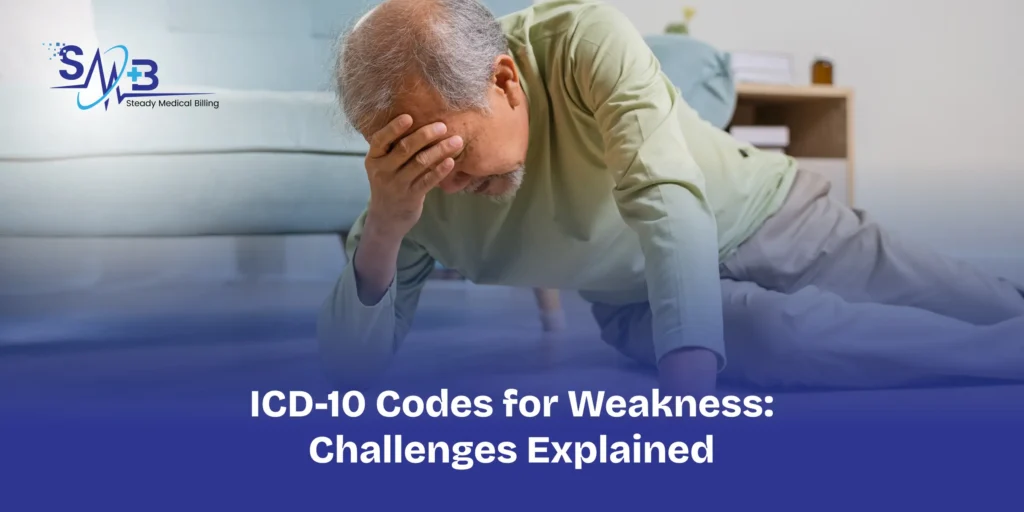
Weakness is one of the most common symptoms patients report during clinical visits. Whether it’s general fatigue, muscle weakness, or a loss of strength in a specific area of the body, this symptom can point to a wide range of underlying conditions. But when it comes to medical coding, “weakness” presents a challenge.
The ICD-10 coding system provides specific codes for generalized weakness, muscle weakness, and related symptoms. However, these codes often fall short of fully capturing the clinical reality. In this blog, we’ll explore the most relevant ICD-10 codes for weakness, why coding this symptom can be tricky, and how to document it correctly for accuracy and better care outcomes.
Understanding the Role of ICD-10 in Coding Weakness
The International Classification of Diseases, Tenth Revision (ICD-10) is the global standard for health condition classification. In practice, it helps healthcare providers, coders, and billers record diagnoses and symptoms in a standardized way.
When a patient presents with weakness, coders often look to ICD-10-CM codes that best match the symptom. The most common ones include:
- R53.1 – Generalized weakness
- M62.81 – Muscle weakness (generalized)
- G81.90 – Hemiplegia and hemiparesis, unspecified side
- R53.83 – Other fatigue
- R29.898 – Other symptoms and signs involving the nervous and musculoskeletal systems
These codes can be useful, but as you’ll see, they come with several limitations. The structure of ICD-10 can sometimes make it difficult to fully express the cause, severity, and clinical significance of a patient’s weakness.
Why Coding “Weakness” Is Not Always Straightforward
Weakness is a broad, non-specific symptom. It could signal a simple case of fatigue or a serious neurological condition. However, ICD-10 does not always provide the flexibility or depth to reflect that full spectrum.
Here are some of the main reasons why coding weakness is more complex than it first appears.
1. It’s a Symptom, Not a Diagnosis
When a patient says they feel weak, they are describing a symptom, not a condition. ICD-10 allows for symptom codes, especially when the underlying cause is unknown. But if there is a clear diagnosis, such as anemia or stroke, the symptom code for weakness should usually not be used alone. Instead, the root cause should be coded directly.
The challenge arises when no clear cause is identified. In those cases, coders often default to R53.1 or M62.81. This is valid, but not ideal.
2. It Lacks Specificity
Generalized weakness and muscle weakness are vague terms. They don’t specify location, severity, duration, or underlying cause. This lack of detail may make the code less useful for:
- Clinical follow-up
- Medical necessity documentation
- Insurance billing and approvals
- Research and data analysis
In real practice, this kind of coding can lead to uncertainty and even rejected claims.
3. The Same Code May Apply to Many Conditions
Weakness can result from a variety of disorders — from electrolyte imbalances to neuromuscular diseases or even medication side effects. Yet, all of these may end up being coded under a single umbrella code like R53.1. This not only oversimplifies the medical picture but may also delay accurate treatment.
4. Risk of Overuse
When in doubt, coders may use general weakness codes even when more specific codes could apply. Over time, this can lead to a pattern of imprecise documentation, weakening the quality of medical records. It may also affect coding audits or insurance reviews.
Common ICD-10 Codes for Weakness and When to Use Them
Let’s break down some of the most used ICD-10 codes related to weakness and understand the context in which they are typically applied.
R53.1 – Generalized Weakness
This code is often used when the patient feels overall body weakness, and no specific diagnosis has yet been made. It’s best used when the visit is focused on evaluating the cause of weakness.
M62.81 – Muscle Weakness (Generalized)
This code is slightly more specific. It’s appropriate when there’s documentation of actual muscle weakness, possibly detected through physical examination or strength testing, but without a defined cause.
G81.90 – Hemiplegia and Hemiparesis, Unspecified
Used when weakness is present on one side of the body. This often points to neurological causes such as stroke or spinal cord injuries. In this case, G81.90 may be paired with a more specific cause if known.
R29.898 – Other Symptoms Involving Musculoskeletal System
A general code for symptoms that don’t fall under a more defined diagnosis. It can sometimes be used as a temporary placeholder but is not ideal for long-term documentation.
R53.83 – Other Fatigue
This can be used when weakness is due to exhaustion, lack of energy, or post-viral fatigue. It’s especially useful in cases where chronic fatigue is a central complaint.
What Makes Coding Weakness Problematic?
Coding is more than just matching symptoms to a database. It must reflect the clinical story. Here’s what makes weakness particularly challenging in coding:
Lack of Detail from Clinicians
Many times, physicians note “weakness” in their documentation without specifying whether it’s due to a neurological event, muscle disease, anemia, or systemic illness. This leaves coders in a tough spot — choosing between a generic code or querying the provider.
Inconsistent Use of Codes
Some facilities may default to R53.1 for all weakness cases, while others try to be more specific. This inconsistency can affect billing, reporting, and long-term data analysis across systems.
Denied Claims and Audit Risks
Insurers expect clinical justification for symptom-based codes. If weakness is not backed up with lab results, diagnostic imaging, or a clear clinical pathway, the claim may be denied. Worse, overuse of non-specific codes can trigger coding audits.
Improving the Way We Code Weakness
So how do we fix these problems and use ICD-10 codes more effectively for weakness? It starts with better documentation, clear communication, and thoughtful code selection.
Encourage Specific Clinical Documentation
Clinicians should note:
- The duration and onset of weakness
- Location (e.g., left arm, whole body, legs)
- Severity (mild, moderate, severe)
- Any suspected causes
- Tests performed (EMG, MRI, labs)
- Associated symptoms (pain, numbness, paralysis)
The more precise the clinical note, the easier it is to select the right code.
Use the Most Accurate Code Possible
Even when symptoms are still being investigated, try to use codes that reflect as much detail as is known at the time. If a patient has left-sided weakness after a fall, consider codes that point toward trauma, nerve damage, or stroke — not just generalized weakness.
Avoid Habitual Use of R53.1
R53.1 is a valid code, but it should not be your first choice unless no other information is available. Use it wisely and sparingly.
Educate Coders and Providers Alike
Collaborative training can help reduce these errors. When clinicians understand how their notes affect coding — and coders understand clinical context — the entire system improves.
Final Thoughts
Weakness may seem like a simple symptom to code, but it opens a door to a wide range of conditions. The ICD-10 system provides basic tools to document it, but those tools are only as effective as the way they are used.
Generic codes like R53.1 and M62.81 serve a purpose, but overreliance on them can reduce the value of clinical records, affect billing outcomes, and impact care quality. Clear documentation, specific code selection, and ongoing education are key to overcoming these limitations.
As the medical field continues to evolve, so must our approach to documentation and coding. Weakness deserves more than just a checkbox — it deserves careful thought and accurate representation in the medical record.