If you’ve ever received a notice from an insurance company requesting the return of previously paid funds, you’ve encountered recoupment in medical billing. This process can be confusing and time-consuming can directly impact your cash flow, compliance standing, and staff resources.
Understanding how insurance recoupment works, what causes overpayment in medical billing, and how to handle recoupment requests can save your practice from unnecessary headaches and financial losses.
In this guide, we’ll break it all down in simple terms and show you how to proactively protect your revenue.
What is Recoupment in Medical Billing?
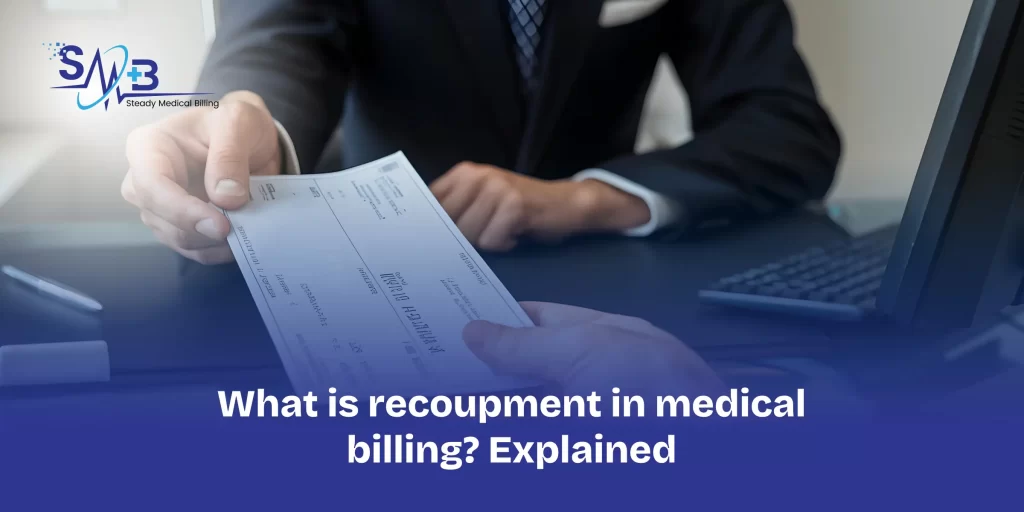
Recoupment in medical billing refers to the process by which a payer, such as an insurance company or government program, reclaims funds that were previously paid to a healthcare provider. This often happens after the payer discovers that a payment was made in error, leading to an overpayment in medical billing.
In short, recoupment of payment means the insurer is taking money back, often by withholding it from future reimbursements. This can occur months or even years after the original claim was paid, which is why it’s so important for providers to stay vigilant.
How Does Insurance Recoupment Work?
The insurance recoupment process typically follows these steps:
- Audit or Review: The payer audits claims and discovers an overpayment, which may be due to incorrect coding, eligibility issues, or duplicate payments.
- Notification: The payer sends the provider a formal notice of recoupment of payment, outlining the reason and amount owed.
- Response Period: The provider is usually given an opportunity to review the notice, dispute the findings, or provide supporting documentation.
- Recovery: If no dispute is filed, or if the appeal is unsuccessful, the insurer will proceed to recover the overpaid amount, often by offsetting future payments.
Common scenarios for insurance recoupment include:
- Coding errors that lead to overbilling
- Payment received for services rendered to ineligible patients
- Duplicate payments
- Changes in coordination of benefits
What Causes Overpayment in Medical Billing?
Overpayment in medical billing can occur for a variety of reasons, including:
- Coding Errors: Incorrect CPT/ICD codes or upcoding can lead to inflated reimbursements.
- Duplicate Billing: Submitting the same claim more than once, whether intentionally or unintentionally.
- Eligibility Issues: Providing services to patients who were not covered under the plan at the time of service.
- Coordination of Benefits Errors: Failing to correctly identify the primary payer when multiple insurance policies are in play.
- System Errors: Sometimes, the insurer’s own systems may produce duplicate or incorrect payments.
Identifying and addressing these issues before the payer does can help you avoid the stress and financial disruption of recoupment of payment.
Recoupment vs. Refund: What’s the Difference?
Many providers confuse recoupment with a refund, but they are not the same thing.
- Recoupment: Initiated by the insurance payer, this is the process where the payer takes back funds, typically by withholding future payments.
- Refund: A proactive step taken by the provider, where they voluntarily return the overpaid funds after identifying an error on their end.
From a compliance standpoint, issuing a refund when you identify an overpayment in medical billing is often the preferred approach. It demonstrates integrity and can prevent more severe penalties or audits. Failing to address overpayments could result in forced recoupment of payment, and in some cases, legal liability.
Implications of Recoupment for Providers
Insurance recoupment can significantly impact healthcare providers, both financially and operationally. Here are some of the key implications:
Cash Flow Disruptions: When payers withhold funds to recover an overpayment in medical billing, this can create unexpected cash flow shortages.
Administrative Burden: Responding to recoupment of payment requests requires time, documentation, and staff resources, which may take focus away from patient care.
Compliance Risk: Frequent recoupment notices may indicate deeper compliance issues that could trigger audits or penalties.
Provider-Payer Relations: Excessive recoupment activity can strain relationships between providers and insurance companies.
Because of these risks, it’s crucial for healthcare organizations to adopt best practices to prevent overpayments and manage recoupment efficiently.
How to Respond to a Recoupment Request?
When you receive a recoupment of payment notice from an insurer, here’s how to handle it:
Review the Notice Carefully
Check the details: which claim, what amount, and why the payer believes there was an overpayment.
Verify the Overpayment
Cross-check your internal records. Was it truly an overpayment in medical billing or a payer error?
Consult Legal or Compliance Experts
For larger or questionable cases, it may be wise to consult legal or compliance experts.
Prepare an Appeal (if applicable)
If you disagree with the insurance recoupment, file an appeal within the given timeframe with all supporting documentation.
Coordinate Refunds or Adjustments
If the recoupment of payment is valid, coordinate refunds or allow the insurer to recover through future payment offsets.
Prompt, organized responses can mitigate negative outcomes and help maintain good standing with payers.
Preventing Overpayment in Medical Billing
The best defense against insurance recoupment is prevention. Here’s how you can minimize overpayment in medical billing:
Implement Strong Internal Controls: Conduct regular audits to catch errors before claims are submitted.
Provide Staff Training: Educate billing and coding staff on accurate coding practices and payer guidelines.
Leverage Technology: Use advanced billing software and edit tools to catch potential errors before claims go out.
Monitor Payer Communications: Stay updated on payer policies and guidelines to avoid changes that could lead to overpayment.
By taking a proactive approach, providers can reduce their risk of recoupment of payment and maintain smoother revenue cycles.
Conclusion
By knowing how insurance recoupment works, identifying the causes of overpayment in medical billing, and implementing proactive prevention strategies, you can reduce the risk of costly recoupment of payment. Staying informed and vigilant will ultimately lead to more efficient billing operations and fewer financial surprises down the road.